Hidden Costs of Using the Wrong Oil
When seals and gaskets fail, it is frustrating, costing time, money and unnecessary vehicle downtime. Age, heat and wear are common causes, but another often-overlooked culprit is the use of high-performance or racing oil in everyday passenger vehicles. These specialty oils are engineered for short bursts of demanding performance, not long-term use. Their additive balance can accelerate the breakdown of rubber components, leading to premature leaks and failures.

Racing Oils Aren’t Street Oils
Racing, high-zinc and break-in oils use elevated levels of zinc and phosphorus (ZDDP) to deliver instant anti-wear protection under extreme, short-duration conditions. To ensure those additives work effectively at high RPMs, racing oils are formulated with lower detergent levels and different base-oil chemistries than standard passenger-car oils.
Those differences matter in daily driving. Detergents help neutralize acids formed during normal combustion, and street oils also include carefully balanced seal-swell agents to protect rubber components over long service intervals. Racing oils often lack these balances, and their aggressive ester or PAO base stocks can cause seals and gaskets to swell, shrink or harden – leading to leaks or premature wear in everyday use.
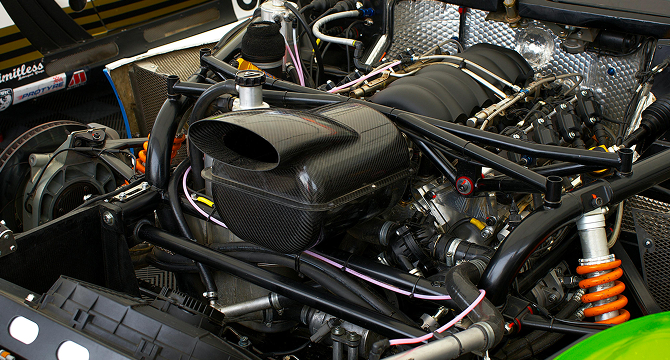
Why the Additive Balance Matters
Passenger-car engines rely on a stable mix of detergents and anti-wear additives to protect components over long service intervals. Racing oils shift that balance heavily toward anti-wear protection for high-RPM use. When used in a street vehicle, this imbalance can leave seals and gaskets vulnerable, reducing elasticity and accelerating failure.
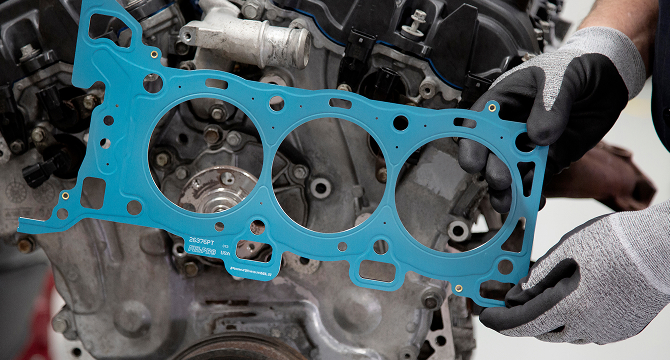
Misuse Leads to Complications
It’s a common misconception: if racing oil is designed for high performance, it must be better for everyday driving. But racing oils are engineered for short runs of extreme heat and pressure, not for the stop-and-go demands of city and highway driving. DIYers who use high-performance oil in their car, truck or SUV may unknowingly reduce protection, increase wear on seals and gaskets, and risk costly engine damage.
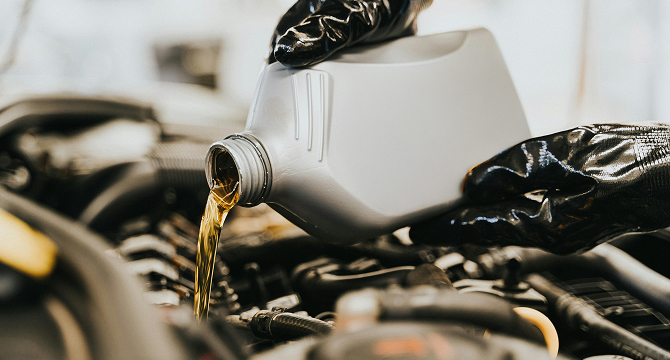
Selecting the Right Oil
Choosing the correct motor oil is essential for long-term engine health. Always consult your owner’s manual for the manufacturer’s recommended oil type and viscosity (e.g., 5W30, 10W-40). Using the right oil ensures the engine gets the proper balance of detergents and additives needed for daily driving, helping prevent wear, sludge buildup and premature failure. Avoid oils labeled racing, high-zinc or break-in, as these blends are not formulated for everyday passenger vehicles.
Learn more about Fel-Pro quality gaskets that are specifically designed for the repair environment, find your car part, or find where to buy your auto part today.
The content contained in this article is for informational purposes only and should not be used in lieu of seeking professional advice from a certified technician or mechanic. We encourage you to consult with a certified technician or mechanic if you have specific questions or concerns relating to any of the topics covered herein. Under no circumstances will we be liable for any loss or damage caused by your reliance on any content.