How Improper Torque and Tool Choice Lead to Head Bolt Damage
Head bolt issues are showing up in the repair bay more often, and many of them are being mistaken for defective bolts. However, in most cases, the bolt isn’t the problem at all. Today’s engines rely on precise clamping force. Even small deviations in torque technique or tool choice can create symptoms that look like bolt failure, including broken fasteners, damaged threads, or premature gasket leaks.
These issues aren’t due to weak bolts, they come from the precision modern engines require, which impact tools and improper techniques can’t provide. When torque specs aren’t followed or the wrong tools are used, the bolt gets blamed – even though the root cause is installation-related.
Common Errors That Lead to Head Bolt Damage
Many head bolt issues that look like material defects can be traced back to installation errors. These mistakes create uneven clamping force, stretched fasteners or damaged threads – all of which can mimic a “bad bolt.” Understanding these issues helps prevent comebacks and protects the repair. Common issues include:
- Reusing Torque-to-Yield (TTY) Bolts – TTY bolts are designed for one-time use; reinstalling them can lead to overstretching, loss of clamping force, and premature gasket failure.
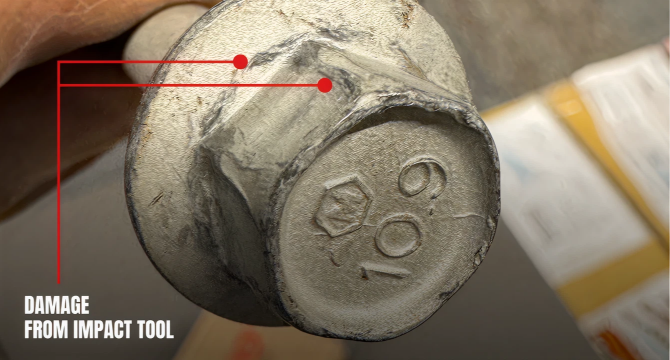
- Using Impact Tools – These tools apply sudden, uneven force that can stretch bolts or damage threads long before final torque is applied.
- Not Following OE Torque Sequence – Changing the torque sequence creates uneven clamping load, which can distort the head and produce symptoms that mimic bolt failure.
- Skipping Torque Steps – Each step builds consistent preload. Missing one can leave bolts under- or over-torqued, compromising the seal. • Mixing Bolt Lengths or Positions – Incorrect bolt placement can cause improper seating and incorrect clamping force, leading to leaks or fastener distortion.
Why Proper Torque Matters
Proper torque is critical because head bolts don’t just secure the cylinder head. They create the precise clamping force the engine needs to seal combustion, manage heat, and maintain long-term performance. When torque is even slightly off, the clamping load becomes inconsistent, leading to stretched or broken bolts, distorted heads, or gasket leaks. While these may look like bolt defects, the root cause is almost always the torque applied during installation.
Head bolts are engineered to work within a specific torque window. Over-torque can stretch a bolt past its yield point, while under-torque can cause the head to lift under combustion pressure. In both cases, the bolt gets blamed for a problem caused by installation, rather than material failure. Applying the proper torque ensures the bolt, gasket, and engine work together the way the original equipment manufacturer intended and helps ensure the repair lasts.
Why Using the Right Tool Matters
Even when proper torque specs are followed, the tool used to reach those values makes a big difference in the outcome of the repair. Impact tools, air guns, and high-speed drivers can apply sudden, uneven force that stretches bolts, damages threads, or alters clamping load. Although they can be a good choice for removal, they’re not designed for precision fastening.
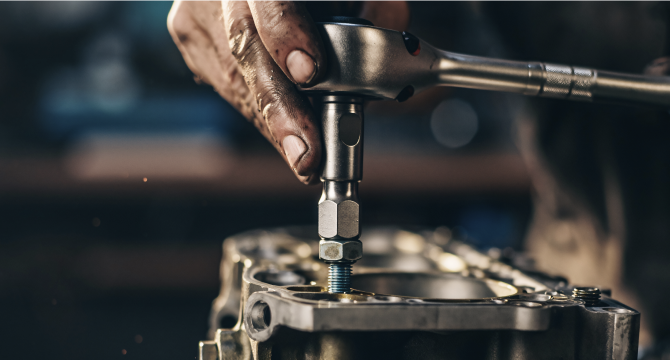
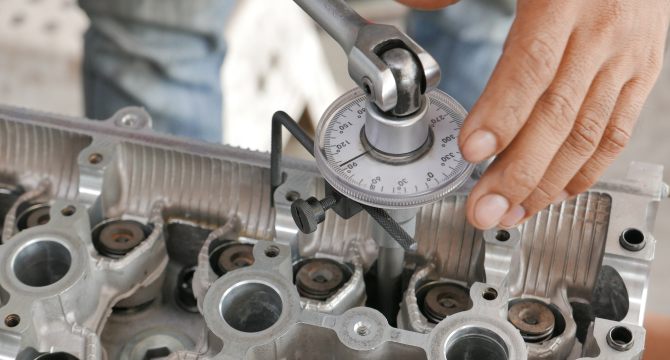
For accurate preload, hand-operated torque wrenches and angle-torque gauges that deliver controlled, consistent force are the only tools that should be used when installing head bolts. Using the right tool protects the bolt, threads and head gasket while helping ensure a long-lasting repair.
Precision Tools & Proper Torque Make the Difference
Most head bolt issues aren’t caused by defective materials or design. They’re the result of tool choice or straying from the respective original equipment manufacturer’s torque specifications. Understanding the real causes behind head bolt failure helps reduce comebacks and unnecessary part replacements. When the correct torque specs and tools are used, Fel-Pro fasteners perform as engineered, delivering the clamping force, consistency, and reliability the repair depends on.
Learn more about Fel-Pro quality gaskets that are specifically designed for the repair environment, find your car part, or find where to buy your auto part today.
The content in this article is for informational purposes only. You should consult with a certified technician or mechanic if you have questions relating to any of the topics covered herein. Tenneco will not be liable for any loss or damage caused by your reliance on any content.